


How to Find Your Septic Tank Without Digging?

Updated: Aug 10
Summary: Finding your septic tank without digging is possible using simple, non-invasive methods. By checking property records, observing yard clues, tracing sewer lines, and using basic tools, homeowners can locate their system efficiently. Knowing its location helps prevent damage, simplifies maintenance, and saves costs. If needed, professional locating services offer accurate, hassle-free solutions for long-term septic system care.
You step into your yard, knowing your septic tank is somewhere beneath your feet, but you have no clear idea where to begin. Digging randomly is not practical, and the risk of damaging your system or landscaping only adds to the stress.
That is why learning how to find your septic tank using low-cost, non-invasive methods is so important. Whether you are planning routine maintenance or troubleshooting an issue, the right approach can help you locate it accurately without disturbing your property.
Why Locating Your Septic Tank Matters?
Locating your septic tank is essential for regular maintenance, repairs, or when you plan to add a new structure to your property. The tank needs to be pumped out every 3-5 years, and knowing its location helps avoid costly mistakes. It’s also a must if you want to ensure the septic system works well in the long run.
At JR Sanitation Rentals Inc., we specialize in septic tank services and always recommend homeowners keep track of their septic tank’s location. This simple step can save you from headaches down the road.
1. Check Your Home's Documents
A great place to start is by checking your home's original plans or building permits. These documents usually include a layout of your property and should show where the septic tank is located. You can get a copy of your home’s plans from your local building office or search online if the information is available.
2. Look for the Tank's Lid
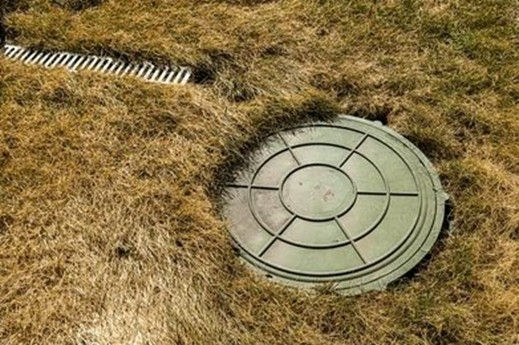
Septic tank lids are usually found on the surface of the ground, sometimes covered by grass, dirt, or a small concrete slab. Walk around your yard and see if you can spot a slightly raised or sunken area where the lid might be. In many cases, the lid is located near the house or at the side of the yard.
How to Find Septic Tank Lid?
If you're not sure where the lid is, try looking around areas where plumbing lines run. You can also use a metal detector to locate metal lids or objects beneath the soil.
3. Inspect Your Yard’s Layout
If you don’t have blueprints and can’t spot the lid, you might want to check the layout of your yard. Most septic tanks are positioned close to the house, usually between the home and the road. Look for signs such as small mounds or areas with less vegetation, which could indicate a buried septic tank.
Another hint is to track where the drainpipes run. The septic tank is usually aligned with the outflow pipes that exit your home. Following the path of these pipes can help you find the general area where the tank is located.
4. Ask Your Neighbors
Sometimes, your neighbors might know where your septic tank is located. They could have similar septic systems or may have had their own systems serviced in the past. A quick chat could point you in the right direction.
5. Hire a Professional
If you’ve tried all the above methods and still can’t locate your septic tank, it might be time to call in a professional. A septic service expert like JR Sanitation Rentals Inc. can help you find your septic tank quickly. We have the right tools, knowledge, and experience to how to locate your septic tank without causing damage to your yard.
At JR Sanitation Rentals Inc., we can also help you keep your septic system in top condition with regular maintenance. Just ask us how!
When to Call a Professional (Electronic Locating and GPR)
If you are still asking how do I find my septic tank, it may be time to call a professional. Experts use advanced tools such as electronic locators and ground penetrating radar to identify septic systems without digging.
One common approach involves flushing a small transmitter through your plumbing system. This device sends a signal that can be tracked from above ground, guiding professionals directly to the tank.
This option is especially helpful for older homes, large properties, or situations where records are missing. Professional locating services provide accuracy and help avoid unnecessary damage to your yard.
Mark It Once You Find It
After you successfully learn how to find your septic tank, take a moment to mark the location. You can use a small yard marker, create a simple map, or save the coordinates on your phone.
This ensures that future maintenance and inspections can be handled quickly without repeating the entire process.
Now that you understand how to find your septic tank using practical and low-cost methods, you can approach maintenance with more confidence. If you prefer a faster and more accurate solution, professional help can save time and prevent costly mistakes.
J R SANITATION RENTALS INC offers dependable septic locating services to help you identify your system quickly and safely, making ongoing care simple and stress-free.
FAQs
How do I find my septic tank without digging?
You can check property records, observe yard clues, and trace your sewer line to narrow down the location without digging.
How far is a septic tank from the house
Most septic tanks are located between 10 and 30 feet from the home, depending on regulations and layout.
What if I still cannot locate my septic tank
If all methods fail, a professional can use electronic locating tools to find it accurately.
How deep is a septic tank lid buried
Septic tank lids are usually buried between one and four feet below the surface.
How to find my septic tank quickly
Combining records, sewer line tracing, and yard observation is the fastest way to locate it.


Comments